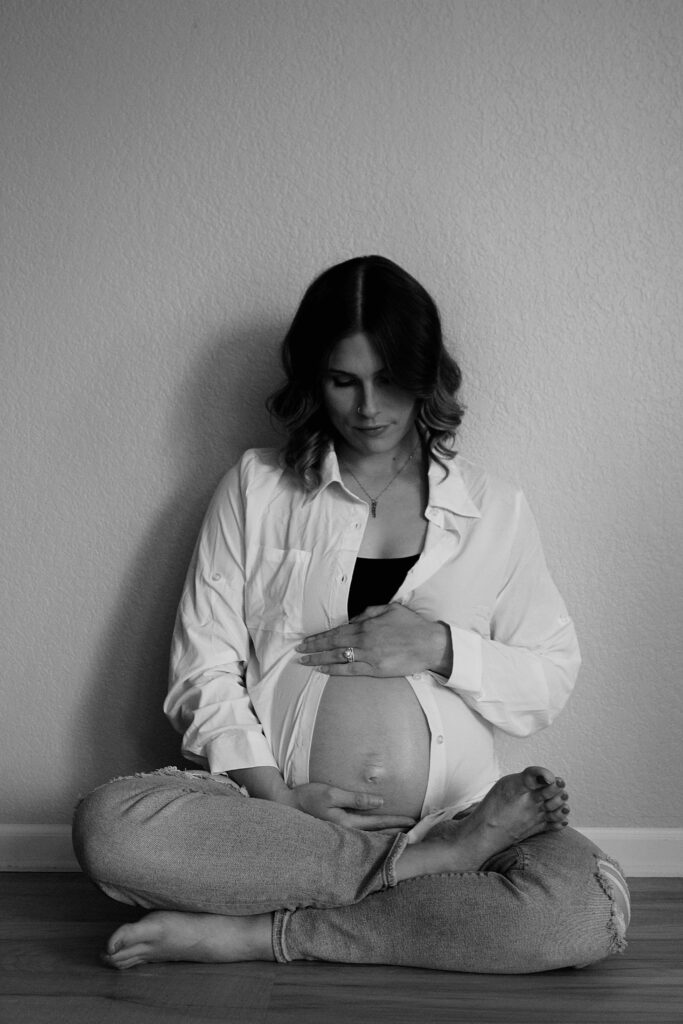
Many first-time mums are surprised to learn that abdominal muscle separation — known as diastasis recti — is not only common, but completely normal during pregnancy.
Around 30–60% of women in their first pregnancy will develop some degree of diastasis by the third trimester. As your baby grows, your uterus expands and hormones soften the connective tissues that hold the abdominal muscles together. This allows the midline (linea alba) to stretch so your body can make room for your baby.
This isn’t a flaw or a failure of your core.
It’s your body doing exactly what it’s designed to do.
Diastasis Is Not “Damage” — It’s an Adaptation
One of the most important things I tell clients in clinic is this:
Diastasis isn’t damage. It’s adaptation.
Your abdominal wall, pelvis, diaphragm, and nervous system work together as a unit to manage the growing load of pregnancy. What matters most is not whether separation exists, but how well your body is managing that load.
A well-supported, coordinated body can handle stretch far better than one that is tense, imbalanced, or disconnected.
What We Look For Clinically
Rather than focusing only on the gap between the muscles, we look at how the body is functioning as a whole. Some important signs we assess include:
- Coning or doming through the abdomen with movement
- Difficulty coordinating breath and core
- Pelvic instability or discomfort
- Lower back tension or fatigue
- Difficulty generating strength through the trunk
These signs tell us whether the abdominal wall and pelvis are coping well with the increasing demands of pregnancy — or whether they’re under unnecessary strain.
How Chiropractic Care Can Help
Gentle, pregnancy-safe chiropractic care can play a powerful role in supporting the body through these changes.
By improving pelvic and spinal alignment, we reduce uneven tension and allow the core to function more effectively. Techniques such as the Webster Technique help create balance in the pelvis, which supports both baby’s positioning and the way forces move through the abdomen.
We also focus on:
- Breathing strategies that support the deep core and nervous system
- Coordinated core activation rather than bracing or gripping
- Reducing strain through the abdomen and lower back
When the pelvis, spine, and nervous system are well supported, the abdominal wall is better able to adapt to stretch — rather than being overloaded by it.
Why This Matters for Birth and Recovery
How well your body manages diastasis during pregnancy has a big impact on:
- Your comfort
- Your posture
- Your pelvic stability
- Your recovery after birth
Supporting your core and pelvis now helps create a stronger, more connected foundation for labour, delivery, and postpartum healing.
Noticing Changes in Your Belly?
If you’ve noticed coning, doming, or bulging through your abdomen — or if you’re unsure what you’re seeing — it’s worth getting checked.
At Vibrant Chiropractic, we assess how your core, pelvis, and nervous system are working together and provide gentle, pregnancy-safe care to support your body through this stage.
If you’d like reassurance or personalised support, you’re welcome to book in.